
Much new housing imposes environmental and social injustices, which have been worsened by so-called Estates Regeneration schemes; they instead should be called estates degeneration. See https://estatewatch.london/.
Camden’s Local Plan (planning policy) includes for the demolition of sound housing estates, to enable the land that they occupy to be redeveloped at much higher densities, often resulting in high-rise buildings crowded together, causing lack of daylight and overstretching existing facilities. This uses the ‘cross-subsidy’ model where profit from the sale of expensive private homes is used to pay for new ‘affordable’ housing, including the social rent homes that have been demolished. This has been shown by many studies to result in existing communities loosing out in many ways: they are subject to decades of stress, leaseholders lose their homes under the threat of compulsory purchase, and communities are broken up, often moving away from the estate or out of the borough. The marketing of the private homes for sale is managed to achieve the maximum profit, up to double the price of the average home in the area, driving up the cost of housing for everyone.
.
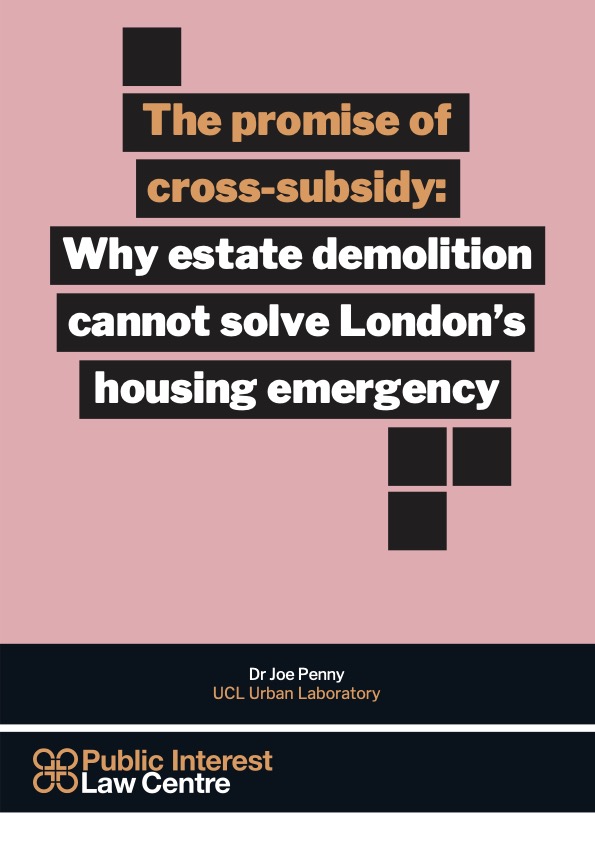
This publication of this report by the Public Interest Law Centre gives details of why the cross-subsidy does not work for residents of estates and does not help address the housing crisis:
Click to access the full report
The report reveals that the unaffordability of “affordable” housing options replacing council-rent homes after estate demolition is worsening the housing crisis for working-class Londoners.
.
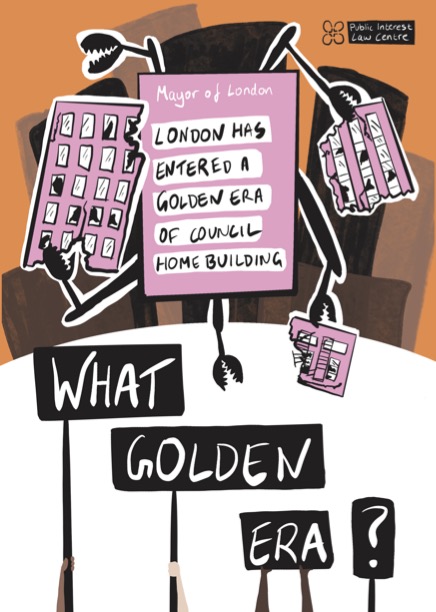
This guide by PILC is designed to empower residents facing displacement from demolition of their housing estate and communities facing gentrification because of regeneration plans to challenge the plans with hard facts.
.
JUST SPACE is a campaigning organisation working for a better outcome through proper planning. Working with the London Tenants Federation it has produced the publication Alternative good practice guide to estate regeneration, free download.
.
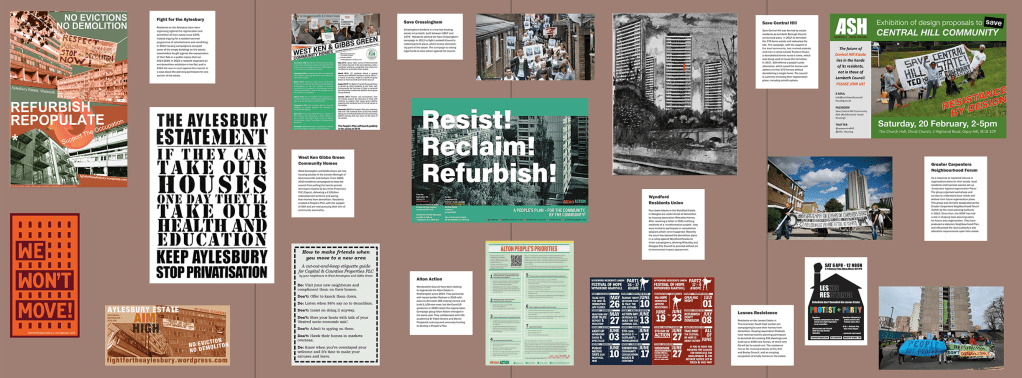
Information about resident-led campaigns are listed here:https://retrofittingsocialhousing.uk/resident-led-campaigns/
Estates under threat in Camden, and included in Camden’s Local Plan for demolition and rebuilding are:
Juniper Crescent and Gilbey’s Yard
See Estate Watch’s website for details:
https://estatewatch.london/estates/junipercrescent/
Ownership: Riverside Housing Association
Built 1997, award winning, also listed on ACAN’s Demolition Map and here.
.
West Kentish Town Estate
See Estate Watch’s website for details:
https://estatewatch.london/estates/westkentishtown/
nb. the Estate Watch website is not correct in respect of planning status; the planning application as not yet been submitted or approved.
.
Wendling Estate
See Estate Watch’s website for details:
https://estatewatch.london/estates/wendlingestate/
.
Bacton Estate
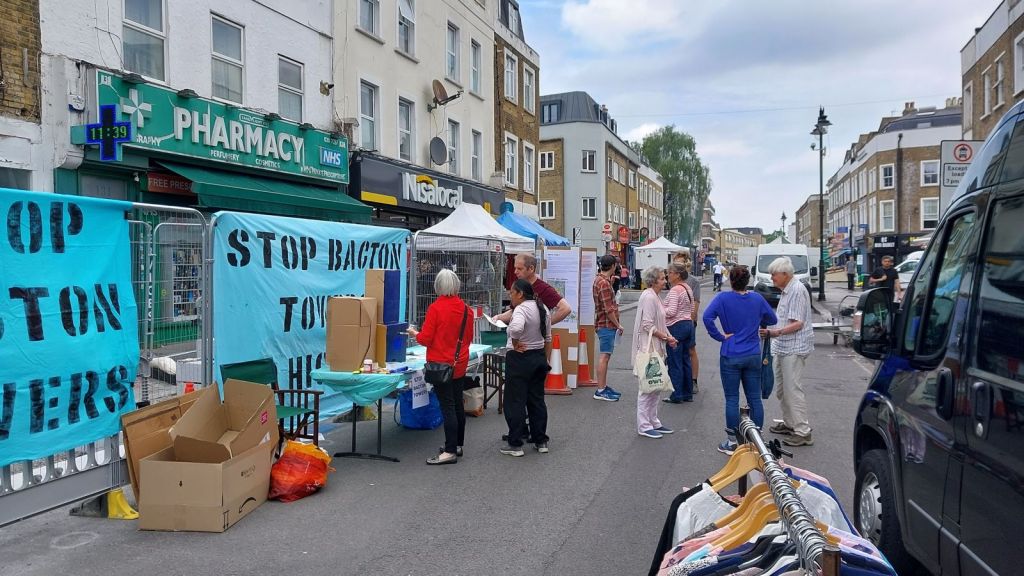
The low-rise part of Bacton was demolished in 2017, but has been an empty site ever since, failing to provide housing for local people for over a decade. Camden Council has now entered into a ‘development agreement’ with private developer Mount Anvil to build the replacement. What was built by the Council in the 1960s with 99 family homes for social rent, is now proposed to be replaced with 333 expensive private homes in high-rise towers, with 104 social rent homes built in the shadows. The Bacton Towers Action group are campaigning to stop this gentrification of the neighbourhood.
 Housing Rebellion Camden